




What Is ‘Natural’ Vermouth?

4 minute read
The counter response to industrial vermouth
Vermouth is one of the oldest aperitivo traditions in the world. It has survived prohibition, the cocktail revolution, and decades of being the bottle that gathers dust at the back of the bar. Now it’s having a genuine moment — and with that moment has come a question worth asking: what exactly is in the bottle you’re drinking?
What Is Vermouth, Exactly?
At its most basic, vermouth is an botanical and fortified wine. That means it starts with a base of wine, which is then fortified with neutral alcohol, sweetened, and infused with botanicals — herbs, roots, bark, and spices, typically including wormwood (vermut in Catalan, wermut in German, which is where the name comes from). The resulting drink sits somewhere between wine and a spirit, usually landing around 15-18% ABV.
Within those parameters there’s enormous variation. The legal definition is broad enough that producers have a lot of room to work with and historically, many of them have used that room in ways that prioritize cost over quality.
How Industrial Vermouth Is Made
The industrial approach to vermouth production starts with a decision that shapes everything that follows: the quality of wine to use as the base.
In industrial vermouth production, the base wine is typically the wine the producer doesn’t want to put in bottles under their own label. The reject wine. The wine from grapes that didn’t fully ripen, or from a year that didn’t go well, or simply the lowest-quality output of the harvest. This isn’t a secret — it’s just how the economics of large-scale production work. Base wine for vermouth is a way to use what would otherwise be unsellable.
This creates an obvious problem: the wine, which should the foundation of the vermouth, brings with it all its negative characteristics. The solution is to cover it up. Large additions of sugar mask the flaws. Caramel coloring creates the expected amber tone. Artificial flavoring agents and high doses of sulfites stabilize a product that wouldn’t otherwise hold together. The botanicals, applied heavily, do the rest of the work.
The result is a vermouth that tastes more or less the same regardless of where or when it was made — because the wine underneath it is effectively irrelevant. You’re tasting sugar, alcohol, and a standard botanical blend [not always a bad thing].
What Makes a Vermouth Natural?
There’s no official legal definition of natural vermouth, just as there’s no official legal definition of natural wine. But the term points toward a coherent set of practices that are meaningfully different from the industrial approach.
A natural vermouth starts with a quality base wine, wine the producer would be proud to bottle on its own. Because the wine is good, it doesn’t need to be hidden. The botanicals are used to complement the wine rather than mask it. Sugar is kept to a minimum, just enough to achieve the right balance, and comes from natural sources rather than industrial additives. Sulfites are used sparingly if at all.
The result is a vermouth where you can actually taste the wine. The character of the grape, the place it came from, the vintage — these things survive the production process and end up in the glass. It’s more complex, more interesting, and significantly less sweet than its industrial counterpart.
It also tends to produce fewer complaints the morning after, though we’ll leave the science of that to others.
Our Ethos
In order to classify as a ‘natural’ vermouth we believe the following practices should be followed
- Respectful land practices which values the quality of the grape rater than quantity of production
- Sugar minimally processed and derived from natural source
- Base made of ‘natural’ or minimal intervention wine
- Use of high quality and/or organic botanicals.
Why the Base Wine Matters So Much
We think about it this way: wine makes up somewhere between 70 and 80 percent of what’s in a bottle of vermouth. It’s not a minor ingredient, it’s the foundation. Everything else is built on top of it.
When the foundation is poor quality wine, no amount of botanicals or sugar can produce something genuinely interesting. You can make something palatable, even pleasant in a simple way. But you can’t make something complex. You can’t make something that tastes like it came from a specific place at a specific time. You can’t make something that rewards attention.
When the foundation is a quality natural wine — properly farmed, carefully made, with real character — the opposite becomes possible. The botanicals have something to work with. The sugar finds its level without needing to do heavy lifting. The final product has a depth that you notice immediately if you’re paying attention, and that keeps you coming back.
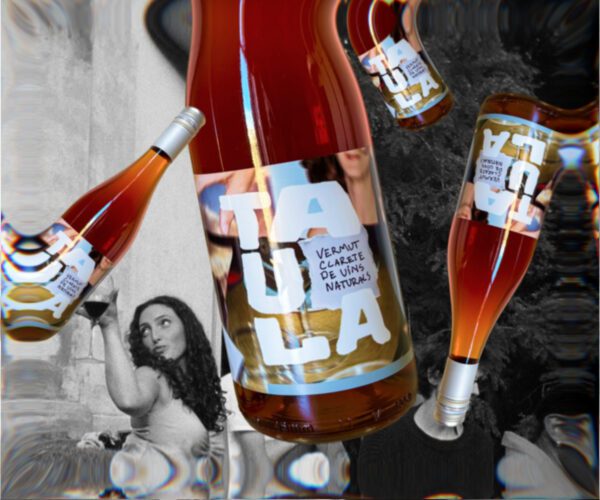
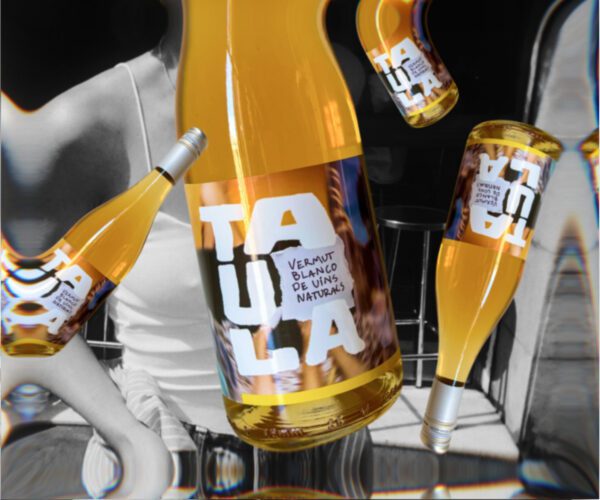
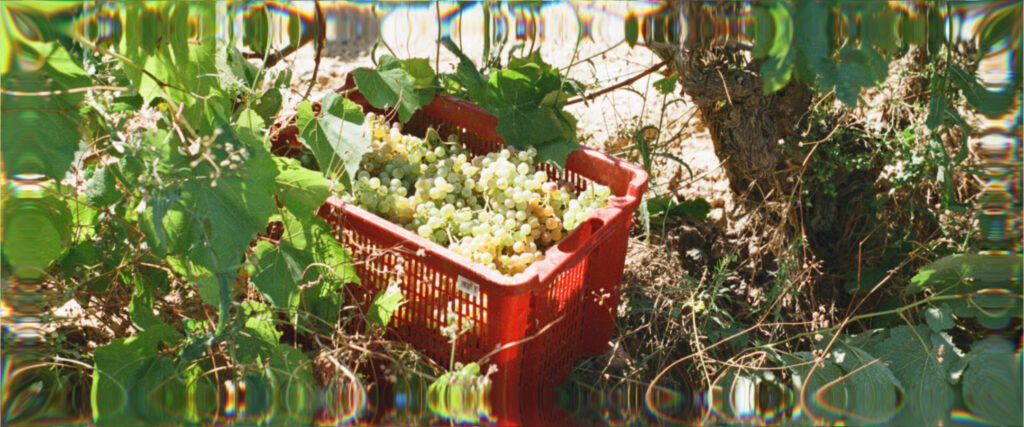
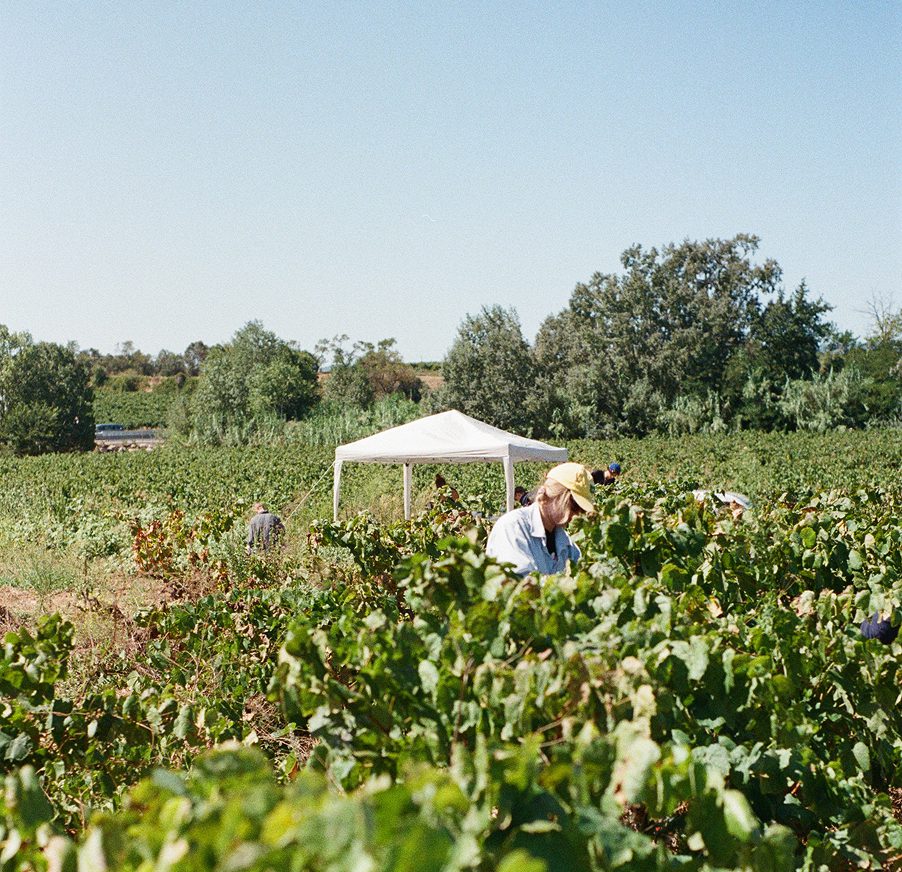
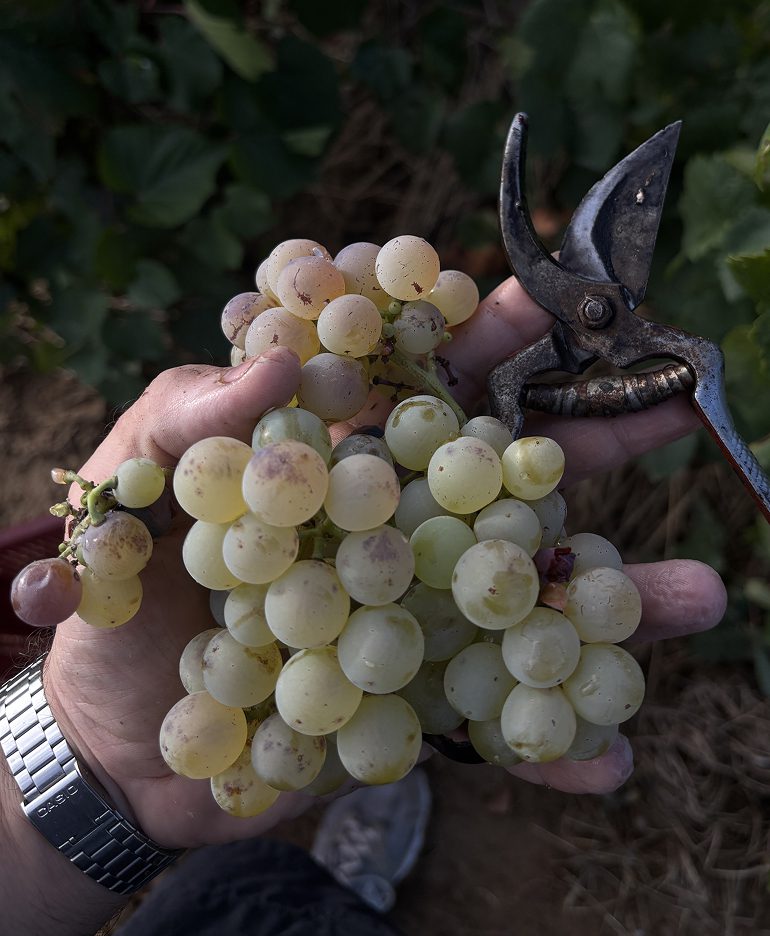
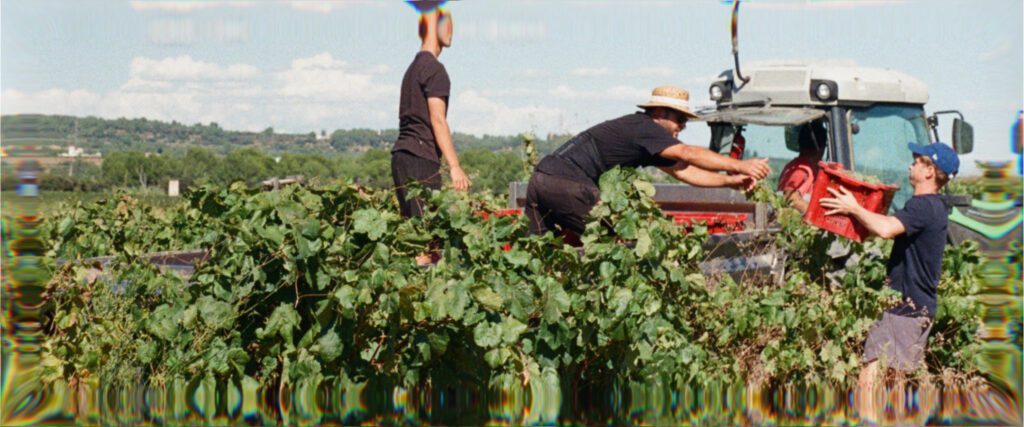
This is the core philosophy behind Taula. We use 100% natural wine grown in Catalunya — specifically a clarete from Finca Parera [for our 2025 Vermut Clarete], made from Xarel-lo, Sumoll, and Chardonnay, farmed with the same care as any wine you’d find on a serious natural wine list. We don’t use it because it’s a convenient way to dispose of surplus grapes. We use it because it’s genuinely good, and because what goes into the bottle determines what comes out.

What You’ll Notice in the Glass
If you’ve only ever drunk traditional vermouth, a natural vermouth can feel like a different category of drink. The most immediate difference is sweetness — or rather, the relative absence of it. Natural vermouths are drier, which means the other flavors have room to breathe. You’ll notice more acidity, more herbal complexity, and a finish that’s longer and more interesting than the clean sugar hit of a conventional vermut.
For people who love natural wine, this tends to be immediately intuitive. The profile — bright, a little funky, acidic, complex — maps directly onto what they already look for in a glass of wine.
Natural Vermouth in Barcelona
Barcelona has one of the most active natural wine bar scenes in Europe, and that scene has quietly become one of the best places in the world to drink natural vermouth. A growing number of bars are choosing to stock natural and artisanal vermouths alongside their wine lists, treating the aperitivo hour with the same seriousness they bring to the rest of the menu.
If you want to explore what’s out there, we are put together a guide to the best natural vermouth bars in Barcelona — a good starting point whether you’re a local or visiting the city.
And if you’d like to try Taula at home, you can order directly from our online store with delivery across Spain and soon the rest of Europe.